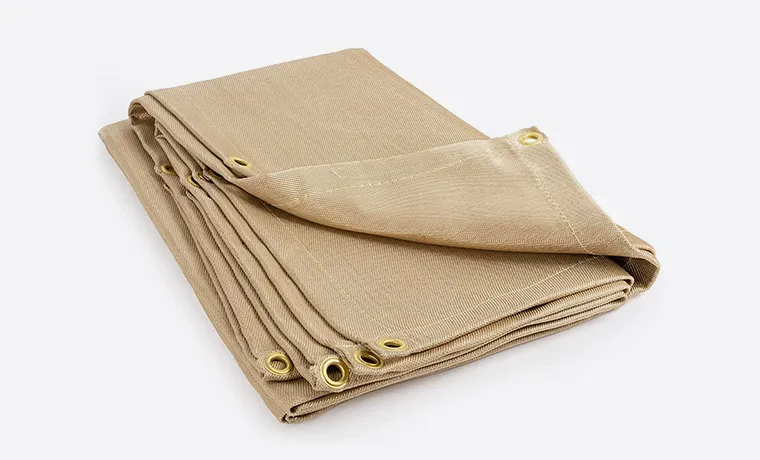
High Temperature Welding Blanket / Vermiculite Welding Blanket

High Temperature Welding Blanket

A High-Temperature Welding Blanket is a specialized safety and protective equipment used in welding and hot work operations. These blankets are designed to withstand extreme temperatures generated during welding, cutting, and other industrial processes. They play a crucial role in ensuring the safety of workers and protecting nearby objects from sparks, slag, and radiant heat. High-Temperature Welding Blankets are critical safety tools in welding and hot work operations. They provide protection against extreme heat, sparks, and molten metal splatter, helping to prevent injuries and fires in industrial settings.


Vermiculite Welding Blanket

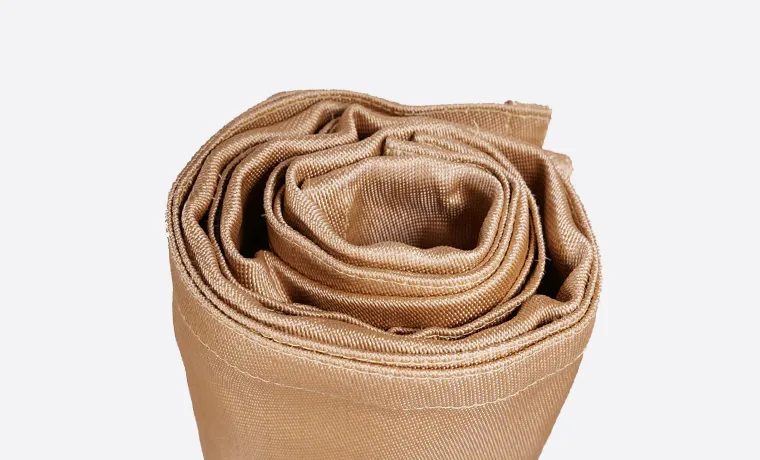
A Vermiculite Welding Blanket is a type of high-temperature welding safety blanket designed to protect against sparks, slag, and radiant heat generated during welding and other hot work processes. These blankets are made with a base material of vermiculite-coated fiberglass fabric, which provides excellent heat resistance and fire protection properties. Vermiculite Welding Blankets are essential safety tools in welding and hot work operations. They provide protection against extreme heat, sparks, and molten metal splatter, helping to prevent injuries and fires in industrial settings. Their flexibility, heat resistance, and durability make them valuable assets in ensuring the safety of workers and equipment during welding and related processes.

FAQ for High Temperature Welding Blanket

1. What is a high temperature welding blanket?

A high temperature welding blanket is a protective fabric cover made from heat-resistant materials, used to shield surfaces, equipment, and flammable materials from sparks, spatter, and heat generated during welding, cutting, and grinding operations.

2. What materials are welding blankets made from?

Common materials include fiberglass, silica, carbon felt, and various coated fabrics such as vermiculite-coated fiberglass, acrylic-coated fiberglass, or aluminized fabrics, depending on the required temperature resistance and application.

3. What temperature can these blankets withstand?

Depending on the material, welding blankets can typically withstand temperatures ranging from 550°F (288°C) for basic fiberglass blankets up to 3000°F (1650°C) for silica or ceramic fiber blankets used in extreme heat environments.

4. Where are welding blankets used?

They're used in shipbuilding, construction, automotive repair, pipeline welding, fabrication shops, and any setting where welding sparks or heat could damage nearby equipment, flooring, or create fire hazards.

5. What's the difference between fiberglass and silica welding blankets?

Fiberglass blankets generally handle temperatures up to around 1000°F–1800°F and are more economical, while silica blankets offer higher heat resistance (up to 3000°F) and are used for more extreme welding and cutting applications like plasma cutting.

© - All Rights Reserved by Shreeji Techno Innovations Pvt. Ltd.